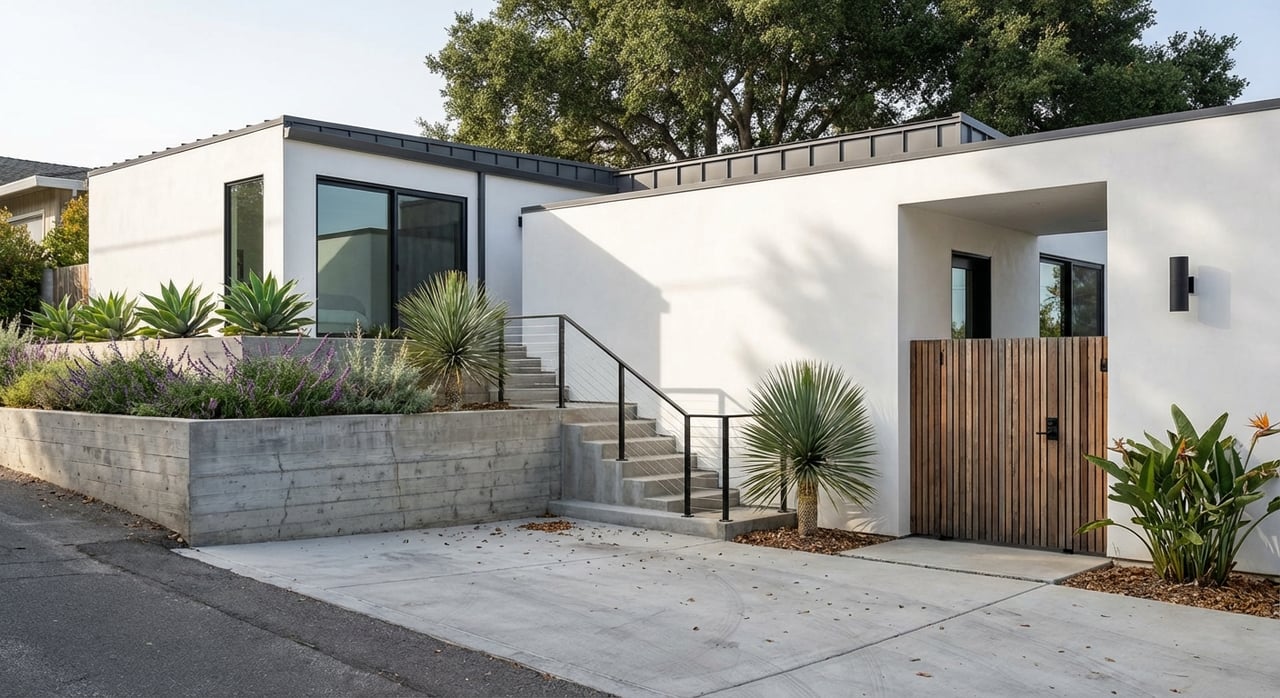
Mount Washington Home Buying Guide for Hillside Homes
The LA Home Girl Team (Compass) February 19, 2026
The LA Home Girl Team (Compass) February 19, 2026
Picture this: sunrise over the San Gabriels, lights twinkling across Northeast LA, and your living room perched above it all. That is the magic of a Mount Washington hillside home. But along with views come stairs, narrow streets, and rules that shape what you can change. If you are asking, “What should I check before I buy?” you are already ahead.
In this guide, you will learn how Mount Washington’s hillside homes work, the rules that affect remodels, what to inspect, and how to plan for lending and insurance. You will also get a practical showing-day checklist and tips to keep escrow on track. Let’s dive in.
Mount Washington is a compact, primarily residential hillside neighborhood in Northeast LA, mostly within ZIP code 90065 with a small portion in 90042. Streets bend across ridges and canyons, and many homes capture dramatic topography and views. For a quick neighborhood primer and boundaries, see this local guide to Mount Washington’s real estate and feel.
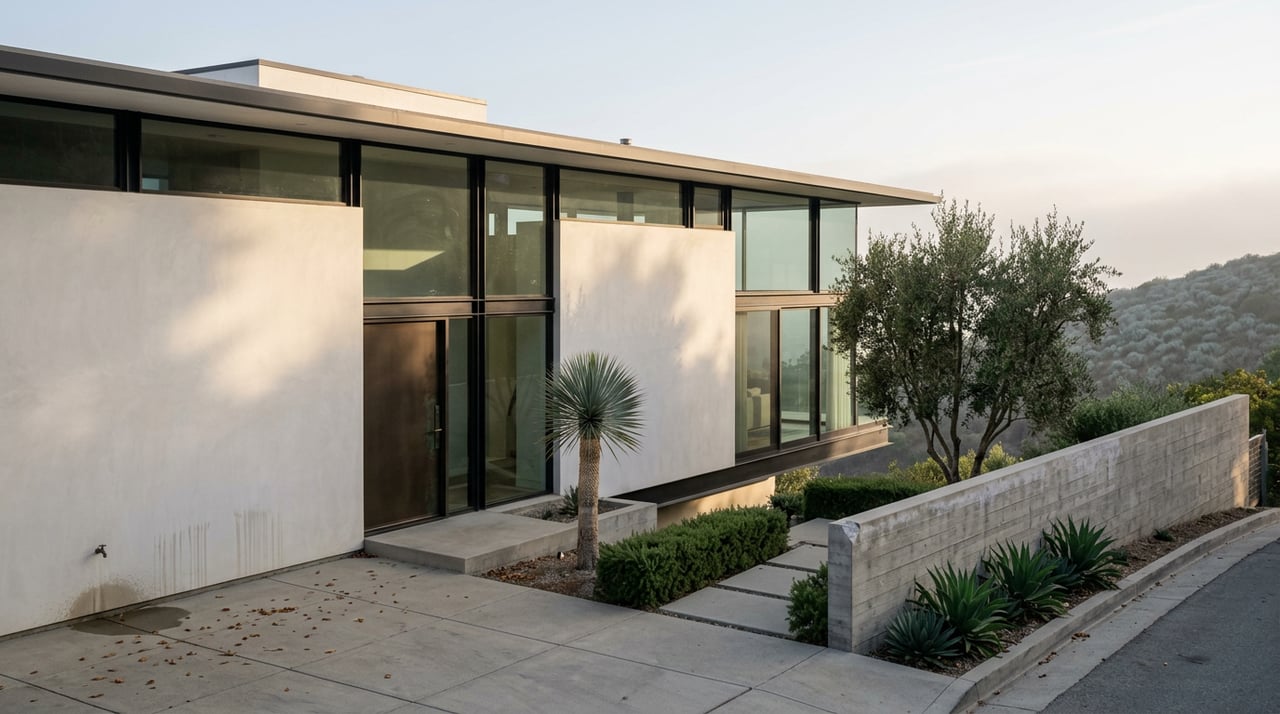
Housing ranges from older Craftsman and Spanish cottages on lower, gentler streets to split-level and stilted homes that hug steep slopes higher up. You will often choose between a more usable flat yard or a stepped lot with wider panoramas. Local coverage highlights how multi-level layouts, decks, and stair runs are common as homes adapt to the hillside terrain. For context on typical layouts, review this Los Angeles Times neighborhood profile.
Many Mount Washington streets are narrow and steep. Driveways can be long, with tight garage entries. On-street parking may be limited, and some blocks have restrictions. In hillside areas, emergency access rules and Red Flag day parking limits can affect where and when you can park. Always confirm posted rules for your specific block.
Expect internal stairs and stacked living levels. Primary living spaces may not be on the same level as bedrooms. Decks are common and add outdoor space, but they must meet local codes. At showings, plan on taking the full path a resident would take every day. This LA Times feature reflects how stepped homes and elevated spaces are part of the area’s character.
Usable flat yard is a premium. Many buyers trade large lawns for view decks and terraced patios. Even on a “large lot,” usable open space can be modest because of slope, protected trees, and setback rules. The Mount Washington–Glassell Park Specific Plan shapes open space, landscaping, and tree protections. See an overview of Specific Plan provisions and common effects.
Los Angeles’ Baseline Hillside Ordinance applies to mapped Hillside Area parcels and sets how much you can build. It uses a slope analysis to calculate allowable floor area, sets height envelopes, and limits grading volumes. For buyers, this means the usable building area may be smaller than it looks from the street, and additions often need a slope analysis and Planning verification. Review the Baseline Hillside Ordinance summary.
Parts of Mount Washington fall under a Specific Plan that can add or supersede baseline rules. It can affect setbacks, facade modulation, protected trees, and usable open space. If you are considering an addition, tree removal, new decks, or parking changes, expect these rules to apply. See a plain-language overview of the Mount Washington–Glassell Park Specific Plan.
City rules limit the number and height of freestanding retaining walls in Hillside Areas. Taller walls and those with surcharges typically require permits, engineered design, and LADBS review. Many older walls predate current code, so replacement can trigger more complex permitting. Any tall, leaning, or old wall is a potential major cost and permitting risk. Explore the municipal retaining wall regulations.
Large portions of Mount Washington sit in a Very High Fire Hazard Severity Zone. Properties in these zones must maintain defensible space and comply with brush clearance rules. The designation can also affect timing and conditions for some approvals. If you buy in these areas, budget for annual clearance and home-hardening measures. See the LAFD’s brush clearance requirements.
Hillside construction and many significant remodels require site-specific geology and soils reports. LADBS and City Planning rely on geotechnical findings to approve foundations, grading, and drainage. Lenders and plan checkers often request proof of geotechnical approval before closing or issuing permits. Get familiar with the City’s geotechnical and permitting process.
Here is a practical, step-by-step path to reduce surprises and keep escrow on schedule.
Geotechnical engineer: For sloped lots, prior fill, visible settlement, or lender/appraiser flags. Their report addresses bearing capacity, footings or piles, and slope stability and drainage. See the City’s geotechnical review steps.
Structural and retaining wall engineer: For tall or suspect retaining walls and for homes on piers, stilts, or raised foundations. LADBS requires engineering for permit-eligible walls. Check the retaining wall code references.
Bring this list to your first visit and test everything you can.
Drive the approach at different times. Confirm your comfort with slope, visibility, and garage entry angles.
Walk the full path. From curb to entry to each level and deck, check railings, treads, lighting, and exterior stairs.
Scan retaining walls. Look for leaning, bowing, stepped cracks, or patched sections. Photograph and note locations.
Check drainage cues. Where do downspouts send water? Any staining on walls, pooling at driveway transitions, or soft soil after recent rain?
Evaluate usable outdoor space. Is there enough flat area for your needs, or will you lean on decks and terraces?
Ask for records early. Before your inspection period is halfway over, request seller disclosures, permits, and any geology or engineering reports.
Mount Washington is a niche hillside micro-market. True comparable sales can be limited because slope, access, parking, view, and pad geometry vary from block to block. Appraisers often document the lack of close comps, adjust for view and lot usability, and flag site or deferred maintenance issues that affect marketability. It is common for appraisers to ask for an engineer’s letter if they see material slope or retaining wall concerns. For a grounding in appraisal practice, see this reference text excerpt on appraising complex residential properties.
On a slope, drainage is everything. Proper grading and discharge keep water away from foundations and walls. If you see downspouts to the slope, clogged weep holes behind retaining walls, or erosion lines, take it seriously. Remediating drainage or replacing a retaining wall can reach into the tens or hundreds of thousands depending on design and access. Start with a specialist review and get written scopes so your lender and insurer know what you are addressing. Useful context on costs and warning signs is available here: retaining wall and hillside work overview.
You deserve a plan that matches the terrain. Our team pairs hyperlocal Mount Washington knowledge with a clear process so you can move fast and feel confident.
Upfront education. We brief you on Baseline Hillside rules, the Specific Plan, and common tradeoffs like views versus usable yard.
Smart showings. We map driving approaches, check parking and stairs, and visit after rain when possible to observe drainage.
Right experts, early. We help you line up structural and geotechnical evaluations before the clock runs out.
Lender and appraisal coordination. We package permits and engineering letters so underwriting stays on track.
When you are ready to explore hillside homes, connect with Kenya Reeves-Costa for a focused, step-by-step search in Mount Washington.
Stay up to date on the latest real estate trends.



Experience the advantage of working with a collaborative team that prioritizes strategy, service, and exceptional outcomes.