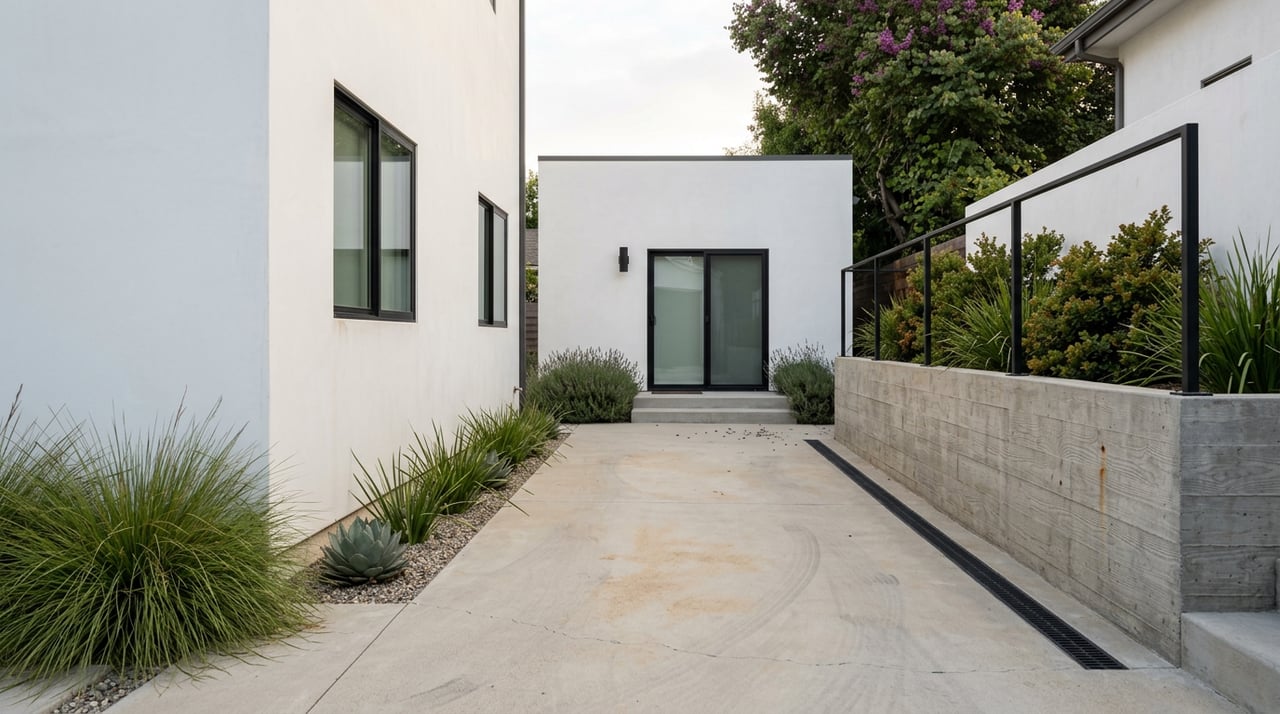
Exploring Small Multifamily And ADU Options In Highland Park
March 12, 2026
March 12, 2026
What if your next home in Highland Park could help pay for itself? If you’re eyeing 90042 and want a smart way to balance lifestyle with long-term wealth, small multifamily homes and ADU options can open the door. You might live in one unit and rent the others, or add a backyard ADU to boost income and flexibility. In this guide, you’ll learn which property types show up most in Highland Park, how local rules shape feasibility, the basics of financing, and the numbers to run before you write an offer. Let’s dive in.
Highland Park sits on Metro’s L (Gold) Line and has a dedicated Highland Park station. Proximity to transit and walkable retail on Figueroa and York help support steady rental demand and owner-occupant interest. You get character properties, access to shops and dining, and an easy hop to Downtown or Pasadena. You can see local context for the station through the Highland Park station art page.
Recent snapshots for 90042 show a median sale price near $917,500 and average rents around $2,595. Prices and rents shift month to month, but these ballpark figures help you test a house-hack or ADU plan. If you can estimate realistic rent and monthly costs, you can see whether a duplex, triplex, fourplex, or SFR plus ADU fits your budget.
You’ll find many 2-4 unit wood-frame buildings from the early to mid 20th century on standard Los Angeles lots. These are classic house-hack properties where you live in one unit and rent the others. The Northeast Los Angeles Community Plan provides broader planning context for these neighborhoods.
Highland Park and Garvanza are known for 1920s–1940s bungalow courts and low-rise courtyard buildings. Many sit within a Historic Preservation Overlay Zone, which can affect exterior changes. The Highland Park–Garvanza HPOZ Preservation Plan outlines design review considerations to keep historic character intact.
A significant share of older parcels in Highland Park have rear yards or detached garages that can be good ADU candidates. Think detached backyard cottages, garage conversions, or interior JADUs. Lot size and configuration vary, but many parcels in the area fall in the moderate range often seen in older Los Angeles neighborhoods. Buildability for an ADU depends on zoning, overlays, and design rules, especially in historic areas.
Practical note: The structure you buy affects financing and operations. A duplex or fourplex lands you in multifamily lending territory and may be subject to rent control if built before 1978. A single-family home with a permitted ADU may have different rent and loan considerations. The Los Angeles Municipal Code for rent stabilization is the place to confirm coverage rules.
Before you fall in love with a property, confirm the parcel’s base zoning, overlays, and development constraints. In Highland Park, pay attention to historic overlays, possible hillside regulations on sloped lots, and any soft-story retrofit status if it is a multi-unit building. Use the Northeast Los Angeles Community Plan for plan-level context, then pull parcel specifics through city tools.
If the property lies within the Highland Park–Garvanza HPOZ, exterior changes often require design review. That can include visible ADU additions or façade work during duplex conversions. Review the HPOZ Preservation Plan and build in extra time for approvals and design refinement.
Many older small multifamily buildings in Los Angeles are on the city’s soft-story retrofit inventory. If the building is listed, you may face seismic upgrade requirements that affect timelines and budgets. Check the LADBS mandatory retrofit programs for status and guidance.
In the City of Los Angeles, many multi-unit buildings built before October 1, 1978, are covered by the Rent Stabilization Ordinance. RSO affects rent increases, allowable eviction reasons, and how certain capital costs can be passed through. Confirm coverage and requirements using the municipal code text and parcel tools.
ADUs are secondary units with their own kitchen and bath. JADUs are smaller conversions within the main home, typically up to 500 square feet. California has a strong pro-ADU framework that sets baseline entitlements. The California HCD ADU resources explain state standards, including limits on owner-occupancy requirements and parking relief near transit in many cases. The City of Los Angeles provides checklists and submittal details on the LADBS ADU page.
In HPOZ areas, visible exterior changes for ADUs often need design review, which may shape what you can build and how it looks. Plan for that in your timeline and budget.
If you want instant rental income on day one, buying a duplex, triplex, or fourplex can make sense. You can live in one unit and rent the rest, which may help you qualify for certain loans and lower your net housing cost. Your underwriting will include reserves, rental income treatment, and debt-to-income checks that reflect multi-unit ownership.
What to watch: If the building is pre-1978, RSO likely applies. If it is wood-frame with tuck-under parking, look for soft-story retrofit status. Confirm legal unit count and verify permits. Review leases and tenant estoppels to understand current rents and obligations.
If you prefer more control or want to stage income growth over time, a single-family with ADU potential is a strong alternative. You might convert a garage, add a detached unit, or create a JADU within the existing footprint. Many buyers use this path to boost income and improve future refinancing options.
What to watch: ADU feasibility varies by lot layout, design overlays, and whether your plan is visible from the street in a historic district. Use the LADBS ADU guidance early to understand submittals, parking rules near transit, and plan check timing.
Different property types can qualify for very different loan products. Speak with a lender before you tour so you know your ceiling and how rental income will be counted.
Key questions for your pre-approval:
Before you make an offer, sketch a conservative pro forma. A clear, simple worksheet goes a long way.
Quick metrics that help you compare options:
Items that can change the math:
Use this list to structure your offer prep and contingency period:
Buying a duplex or planning an ADU is part real estate, part project strategy. You deserve a team that brings local knowledge and a clear process. Our neighborhood-first approach in Northeast LA pairs walkable tour itineraries with data-driven guidance. We help you identify properties with the right lot patterns, review overlay considerations early, and coordinate with your lender so your numbers are realistic before you write.
If you are relocating or building a small portfolio, we tailor your search to cash flow goals and timeline. If you are a first-time buyer, we move at your pace, explain every step, and help you compare a 2-4 unit path with a single-family plus ADU plan. When it is time to act, we bring a structured offer strategy, steady communication, and a focus on outcomes.
Ready to explore Highland Park’s small multifamily and ADU opportunities? Connect with Kenya Reeves-Costa to map your path and tour smart options in 90042.
Stay up to date on the latest real estate trends.
Experience the advantage of working with a collaborative team that prioritizes strategy, service, and exceptional outcomes.