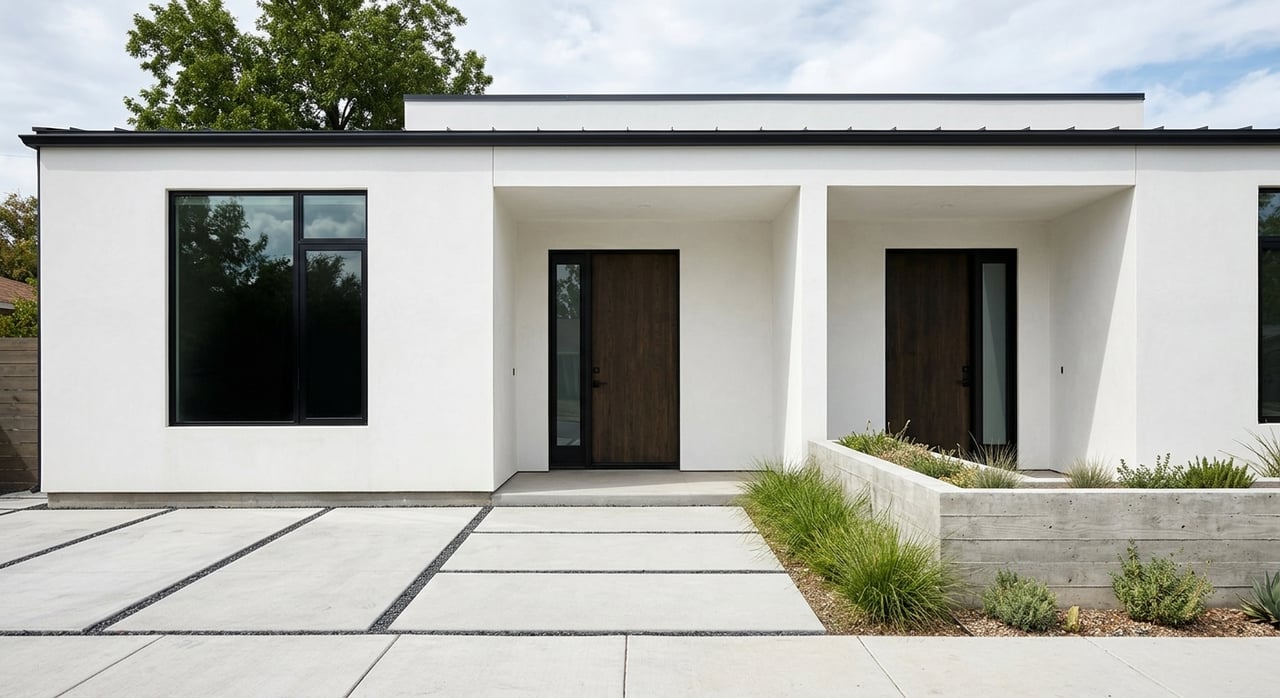
Glendale Rental Property Basics For LA Investors
April 23, 2026
April 23, 2026
If you are thinking about buying a rental property in Glendale, it helps to know this is not a market where you can rely on guesswork. Glendale is a mature, renter-heavy city with a large multifamily housing stock, city-specific rental rules, and operating realities that can shape your returns just as much as the purchase price. If you want to invest with more confidence, understanding the local basics up front can help you avoid expensive surprises. Let’s dive in.
Glendale stands out because it is a city where renting is a major part of the housing picture. According to U.S. Census QuickFacts for Glendale, the owner-occupied housing rate is 35.2%, which means a large share of residents rent rather than own.
That matters if you are comparing Glendale with more ownership-heavy parts of Los Angeles County. A larger renter base can support steady leasing demand, but it also means you need to understand local tenant expectations, compliance rules, and the condition of the housing stock before you buy.
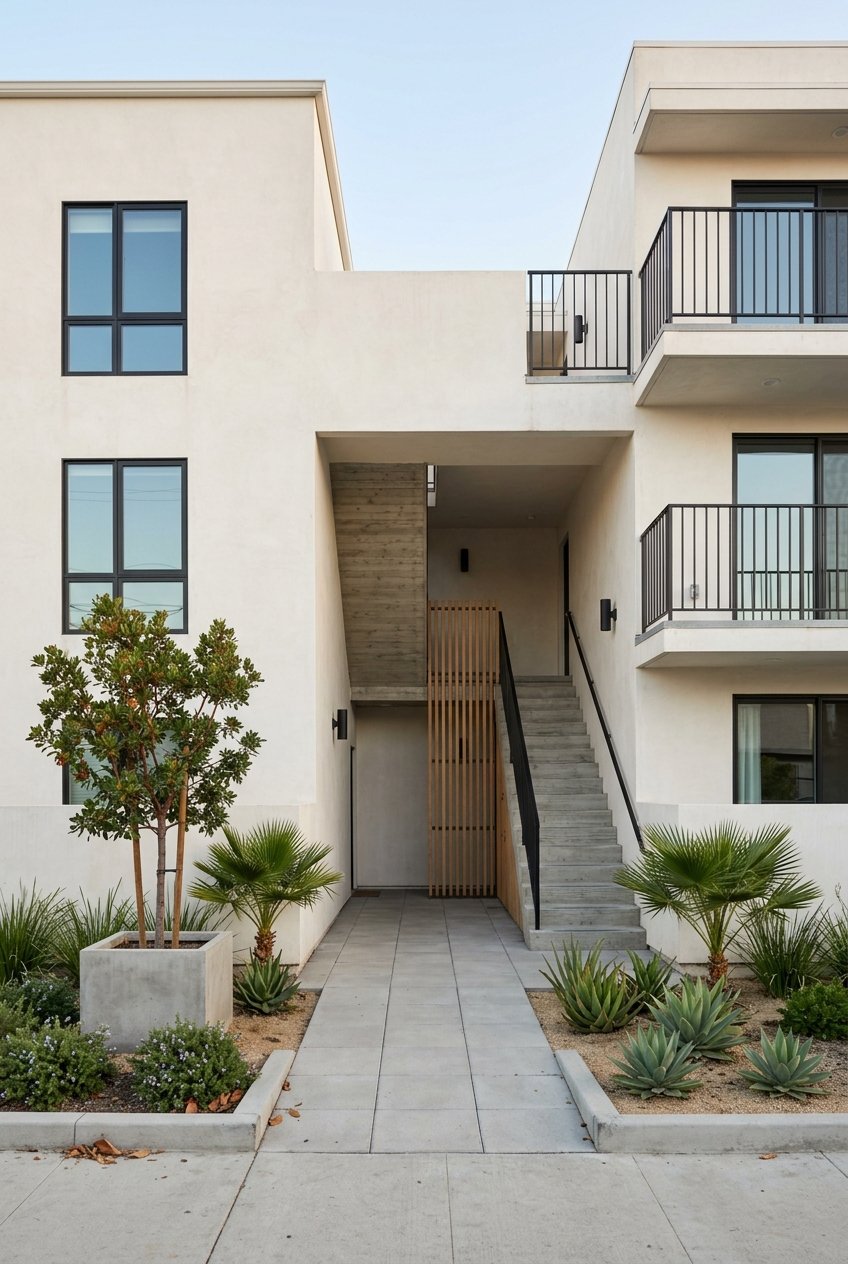
One of the first things to know is that Glendale is largely a multifamily market. The city’s Housing Element background report shows that 52.6% of the housing stock is in multifamily buildings with five or more units, while detached single-family homes make up 34.4%.
For investors, that means many opportunities may be in apartment or smaller income-property formats rather than only single-family rentals. The same report also shows duplex-through-fourplex properties account for 8.6% of the stock, with single-family attached homes at 4.4%, so Glendale offers a mix, but multifamily is the center of gravity.
A 2025 Glendale multifamily market report adds more context. It notes a 4.6% vacancy rate, asking rents around $2,357, and only 108 units under construction, while older Class C properties make up about three-quarters of the inventory. In plain terms, much of Glendale’s investment inventory is older, working housing rather than shiny new luxury product.
When you research rents, you may see different numbers depending on the source. That does not always mean the data conflicts. It often means the sources are measuring different parts of the market.
For example, the Census reports a median gross rent of $2,182 for 2020 through 2024 in Glendale QuickFacts. By contrast, RentCafe’s Glendale market page reports an average apartment rent of $2,907 as of March 2026, with studios at $2,225, one-bedrooms at $2,552, two-bedrooms at $3,441, and three-bedrooms at $3,911.
Those figures should be treated as different market measures, not competing claims. RentCafe notes that its dataset is based on Yardi Matrix coverage of apartment buildings with 50 or more units, so it reflects a narrower slice of the rental market than Census data.
Not every part of Glendale performs the same way. RentCafe neighborhood data shows variation across the city, with City Center reported as the most expensive submarket at an average rent of $3,252.
That is an important reminder when you are evaluating a deal. A property’s rent potential is tied not just to unit count or square footage, but also to where it sits within Glendale and how that location lines up with renter demand.
Glendale does not have citywide rent control, but that does not mean rental ownership is lightly regulated. The city’s Rental Rights Program FAQ explains that Glendale has rules related to just cause eviction, relocation assistance, right to lease, intentional disrepair, and rent reduction.
The same city materials note that AB 1482 limits annual rent increases to 5% plus CPI, up to a 10% maximum. Glendale also says relocation assistance can apply when a rent increase exceeds 7% over a 12-month period, so your rent-growth assumptions should be grounded in the actual rules that apply to the property.
Because coverage and exemptions can differ by rule, investors should verify them carefully during due diligence. A property that is exempt from one requirement may still be covered by another.
Glendale’s right-to-lease guidance says one-year lease offers can apply to new tenants and in some rent-increase situations. The city materials also describe exemptions for parcels with four or fewer dwelling units, single-family homes, condos, townhomes, and short-term hotel-like accommodations.
The city’s just-cause framework is another key factor. According to the same Glendale rental-rights materials, landlords may evict only for specified reasons, and certain no-fault evictions can trigger relocation assistance equal to 2 times HUD Fair Market Rent plus $1,000.
That does not mean Glendale is a bad place to invest. It means you should buy with a clear compliance plan, realistic cash-flow expectations, and lease documents that match the property’s actual status.
If your strategy depends on vacation-rental income, Glendale is not interchangeable with every other LA-area city. The city’s home-sharing rules allow limited home-sharing only when the host lives on site.
The city also prohibits vacation rentals where no host lives on site for residential rentals of 30 consecutive days or less. For many investors, that makes long-term leasing the more relevant strategy to underwrite from the start.
Fair housing is not just a legal box to check. It is a core part of running a rental property responsibly. Glendale’s Fair Housing page includes source of income among its protected classes.
In practice, that means your screening and advertising should avoid unlawfully excluding renters based on lawful income sources, including vouchers. If you are planning to lease to voucher holders, Glendale states that most rental housing types can qualify, rents must be reasonable in relation to area rents, and the unit must pass inspection before the housing contract begins.
In a market with older apartment stock, property condition can quickly affect both tenant satisfaction and operating costs. Glendale Housing Authority inspection standards offer a useful baseline for what habitability looks like in practice.
Units need features such as a working stove, oven, and refrigerator, plus sinks with hot and cold water in kitchens and bathrooms. Bathrooms must have a functioning toilet and tub or shower, and smoke alarms and carbon monoxide alarms must meet current standards where required.
The city also identifies missing alarms, exposed electrical hazards, and extremely high mold-like conditions as life-threatening deficiencies that must be corrected within 24 hours. Even if you are not planning to lease through a voucher program, these standards are a smart benchmark when you inspect a property before buying.
You should also think about renter expectations beyond the legal minimum. Current Glendale rental listings often highlight parking, laundry, air conditioning, pet-friendly policies, controlled or gated entry, and access to shopping, parks, and transit.
These listings are not a formal survey, so they should be treated as market signals rather than universal rules. Still, they can help you evaluate whether a property is likely to feel competitive without major upgrades.
Communication style can matter too. Census data shows that 66.2% of Glendale residents speak a language other than English at home in Glendale QuickFacts. While that is not a city requirement, it does suggest that clear, accessible, and where possible multilingual leasing and maintenance communication can be a practical advantage.
Glendale can be a solid long-term rental market, but it is wise to be conservative with your numbers. The combination of a 4.6% vacancy rate, muted 0.4% rent growth, and a large share of older Class C inventory in the 2025 multifamily report points to a market where operations matter.
Instead of assuming rapid rent growth will fix a thin deal, focus on fundamentals. Pay close attention to:
This kind of underwriting is especially important in a market where rental rules can limit how quickly rents move and where older buildings may need more maintenance over time.
Before you close on a Glendale rental property, verify the details that can affect income, compliance, and future costs. The city’s housing and market reports make this step especially important.
A strong due diligence review should include:
It is also smart to remember that rent, vacancy, and pricing data can vary by source because different reports measure different property types and time periods. Comparing sources is useful, but you want to compare them carefully.
For many LA investors, Glendale makes sense when you approach it as a compliance-forward, operations-focused rental market. It is renter-heavy, mostly multifamily, and shaped by local rules that reward preparation over speculation.
If you are weighing a duplex, fourplex, condo, or larger multifamily opportunity in Glendale, the right next step is to look beyond the headline rent number. You want to understand the property’s location, exemption status, actual condition, and leasing strategy before you commit.
If you want help evaluating Glendale investment opportunities with a neighborhood-first lens, connect with Kenya Reeves-Costa for practical guidance on Greater LA rental property strategy, local market context, and your next move.
Stay up to date on the latest real estate trends.
Experience the advantage of working with a collaborative team that prioritizes strategy, service, and exceptional outcomes.