Relocating to Atwater Village or Frogtown Across LA
April 2, 2026
April 2, 2026
Thinking about moving from one part of Los Angeles to another can feel oddly harder than moving in from out of town. You may already know the city, but neighborhoods can live very differently block by block, especially near the LA River. If you are deciding between Atwater Village and Frogtown, this guide will help you compare housing, access, commute patterns, and what day-to-day life may actually feel like so you can move with more confidence. Let’s dive in.
Atwater Village and Frogtown are close to each other geographically, but they are shaped by different planning contexts and different street patterns. According to the City of Los Angeles, Atwater Village is part of the Northeast Los Angeles Community Plan area, while Elysian Valley, commonly known as Frogtown, falls within the Silver Lake, Echo Park, Elysian Valley Community Plan area.
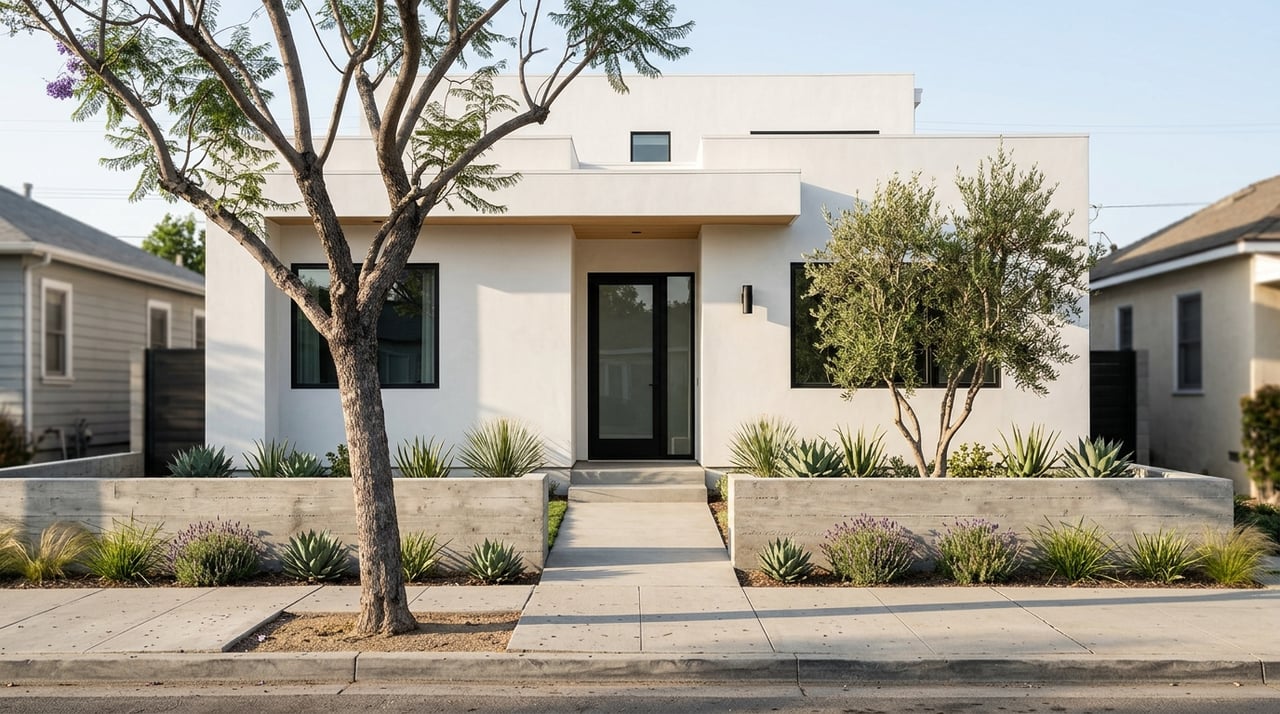
That difference shows up in the built environment. City planning materials describe Atwater Village as largely early 20th-century in character, with modest single-family residences, relatively few multi-family properties, and commercial corridors along Glendale Boulevard, Fletcher Drive, and Los Feliz Boulevard. Frogtown is described in city survey work as a neighborhood with a small-town feel, shaped by its position between the Los Angeles River and Elysian Park, with the Golden State Freeway reinforcing that separation.
For you as a mover, that means these neighborhoods are not just different in vibe. They differ in housing mix, access patterns, and how you are likely to move through the area each day.
Atwater Village tends to read as the more traditional residential option. The city survey describes it as mostly modest single-family housing, which helps explain why the neighborhood often feels established and lower-scale than other nearby parts of LA.
The area also includes the Atwater Village Equestrian Historic District, which the city describes as having riverside trail access and views of Griffith Park. Planning materials note that Atwater contains one of Los Angeles’ last remaining equestrian areas, which gives this part of the neighborhood a very specific physical identity.
If you want a quieter residential base with river access layered into a more traditional streetscape, Atwater Village may feel like the stronger fit.
Frogtown is often the more river-centric choice. The neighborhood is closely tied to the Los Angeles River corridor, and that relationship is easier to see in daily use patterns.
The Mountains Recreation and Conservation Authority says Elysian Valley Gateway Park and Steelhead Park provide access to the Los Angeles River Bike Path. MRCA also notes that the Elysian Valley River Recreation Zone allows public walking, fishing, and kayaking in designated areas during the season, typically from Memorial Day through the end of September, sunrise to sunset, except during inclement weather or after storm events.
If your ideal routine includes direct access to the river path and seasonal river recreation, Frogtown is easier to frame as a trail-first, river-adjacent neighborhood.
If you are relocating across LA, inventory matters just as much as neighborhood feel. Both areas currently have limited listing counts, which can affect how quickly you need to make decisions.
In Atwater Village, Realtor.com market data shows 29 homes for sale, a median asking price of $1,448,500, 23 rentals, and a median rent of $2,750. Redfin’s February 2026 snapshot reports a median sale price of $1,425,000, with homes selling in about 54 days.
In Frogtown, Realtor.com data for Elysian Valley shows 16 homes for sale, a median listing price of $1,035,000, 12 rentals, and a median rent of $3,956. Redfin’s February 2026 snapshot shows a median sale price of $1.26 million and a median of 88.5 days on market.
Here is a quick side-by-side view:
| Neighborhood | For-Sale Listings | Median Asking/Listing Price | Rentals | Median Rent |
|---|---|---|---|---|
| Atwater Village | 29 | $1,448,500 | 23 | $2,750 |
| Frogtown/Elysian Valley | 16 | $1,035,000 | 12 | $3,956 |
At a high level, Atwater Village is better understood as an established residential neighborhood with detached homes, condos, and smaller apartment buildings rather than a large apartment district. Frogtown has more mixed housing conditions, with city planning materials noting that the area south of Gail Street is predominantly single-family, while the area north of Gail Street includes a mix of single- and multiple-family structures.
A median price can help you narrow your search, but it does not tell you how a place will support your routine. In these two neighborhoods, the better question is often how you want to live once you get home.
If you want a more traditional residential setting with river and park access woven into it, Atwater Village may check more boxes. If you want more direct river adjacency and you expect to use the bike path or seasonal recreation regularly, Frogtown may make more sense.
This is especially important for renters. Current data shows Frogtown with fewer active rentals and a higher median rent than Atwater Village, so if leasing is your plan, you may want to be prepared for a narrower search.
One of the smartest moves you can make when relocating across LA is to test your actual route, not your imagined one. These neighborhoods can feel different depending on time of day, mode of travel, and where exactly you are trying to go.
The Los Angeles River is not just scenery here. The city’s Los Angeles River Wayfinding effort is built around the existing 7.6-mile bike and pedestrian river path, which makes the river corridor a real transportation spine for some residents.
Atwater Village also benefits from the North Atwater East Bank Riverway project, which is converting a 2.2-mile maintenance-road stretch into a multi-use accessible pathway. That helps explain why Atwater can appeal to people who want overlap between residential streets, trail access, and broader park connectivity.
If you rely on transit, check Metro schedules and system maps before you tour. The best route can change based on service patterns, transfer options, and the time you need to travel.
When you are choosing between Atwater Village and Frogtown, one visit is rarely enough. The experience can shift a lot based on whether you are driving, biking, walking, or using transit.
A practical approach is to break your scouting into three parts:
If river recreation is part of your decision, confirm park rules and hours with MRCA in advance. Their park guidance notes sunrise-to-sunset access and requires visitors to stay on authorized trails.
Because both neighborhoods have limited inventory, it helps to get organized before the right place appears. A clear timeline can make your move less stressful and help you act faster when a strong option hits the market.
Here is a practical framework:
Decide what type of home best fits your move, such as a detached house, condo, or apartment. If you are buying, get financing or pre-approval lined up early.
Tour repeatedly and compare the details that affect day-to-day comfort. Pay close attention to parking, storage, bike storage, and your likely commute pattern.
Confirm logistics before move-in. That includes utilities, parking arrangements, and where bikes or other gear will realistically go.
Do one final dry run of your route and move-in plan. In a neighborhood where access patterns matter, this small step can save you a lot of stress.
If you are still deciding, it may help to simplify the choice.
Choose Atwater Village if you want a more established residential setting, mostly modest single-family housing, and access to riverside trails in a neighborhood with historic character. Choose Frogtown if your priority is direct connection to the LA River, river path access, and a neighborhood that feels more physically defined by that corridor.
Neither choice is one-size-fits-all. The best move depends on your commute, housing goals, and how much river access you expect to use in real life.
If you want help comparing blocks, planning tours, or making a move across Northeast LA feel more manageable, Kenya Reeves-Costa and The LA Home Girl Team can help you build a clear, neighborhood-specific plan.
Stay up to date on the latest real estate trends.
Experience the advantage of working with a collaborative team that prioritizes strategy, service, and exceptional outcomes.