Living in Mount Washington Hillside Homes: What to Know
May 21, 2026
May 21, 2026
Wondering what daily life is really like in one of Northeast LA’s most distinctive hillside neighborhoods? Mount Washington can offer the views, privacy, and architectural character many buyers want, but it also comes with practical tradeoffs that are easy to miss if you have only driven through. If you are considering a move here, this guide will help you picture how the homes, streets, upkeep, and day-to-day routines actually work. Let’s dive in.
Mount Washington is best understood as a hillside residential neighborhood, not a flat, mixed-use district. City planning materials describe it as almost entirely single-family residential, with very few multi-family or commercial properties. In everyday terms, that means the feel of the neighborhood is shaped more by homes, slopes, and views than by busy retail streets.
That setting is a big part of the appeal. Los Angeles hillside guidance points to panoramic views as a defining feature of hillside neighborhoods, and Mount Washington is often associated with canyon and downtown views. If you want a home environment that feels tucked away while still being part of Los Angeles, this is one of the neighborhood’s strongest draws.
One of the first things you may notice in Mount Washington is that the homes are not uniform. SurveyLA materials point to major development periods in the 1910s and 1920s and again in the 1950s and 1960s. As a result, you will see a mix of Craftsman, Period Revival, Mid-Century Modern, and Ranch homes throughout the area.
That variety is not just about style. In hillside neighborhoods, the lot often shapes the floor plan as much as the architect does. City hillside materials explain that many hill houses reverse the layout you might expect, with living areas upstairs and bedrooms below when the entry is from the uphill side.
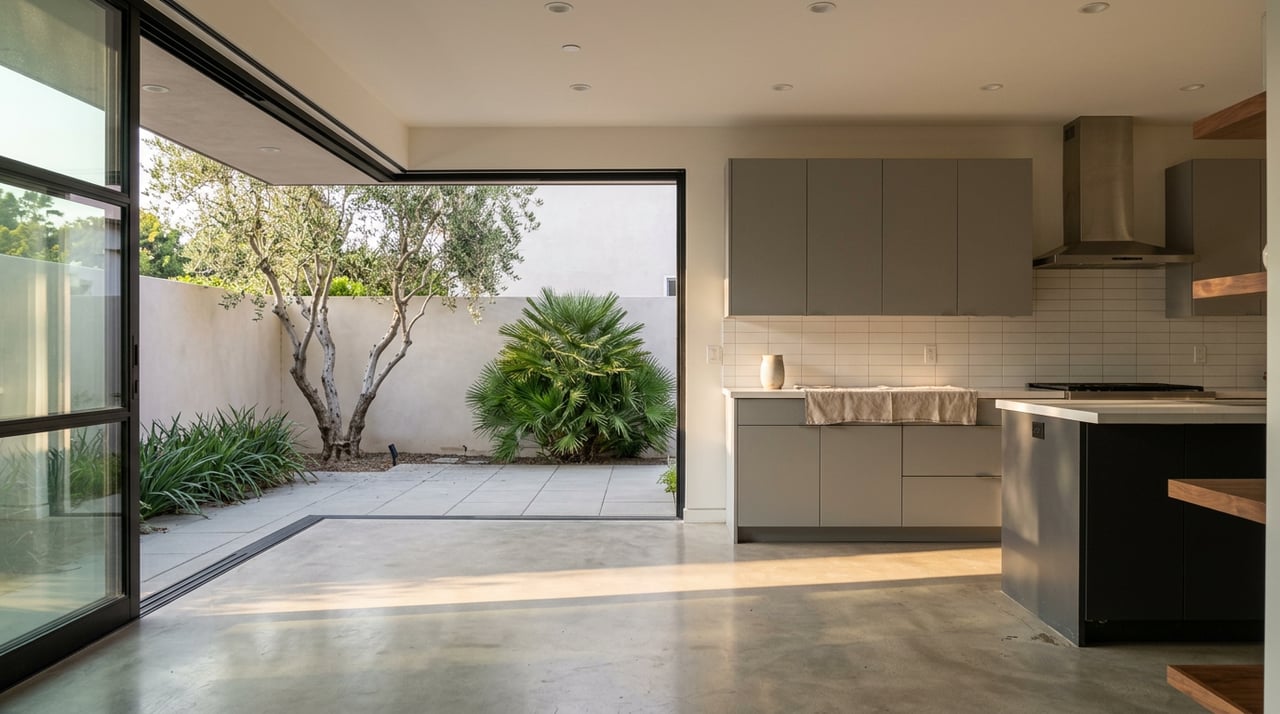
If you are touring homes here, it helps to think beyond square footage. Stair use, natural light, view orientation, and how the home connects to outdoor space can matter just as much as room count. A house that looks modest from the street may open up dramatically once you step inside.
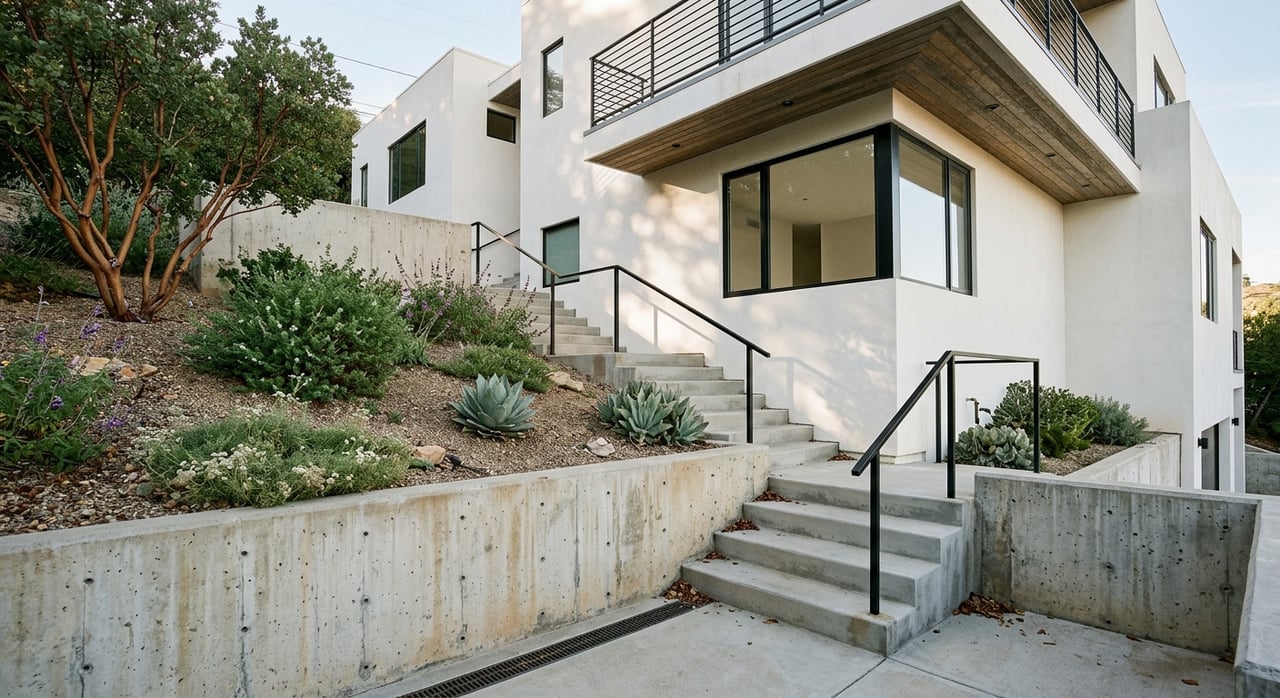
Many Mount Washington homes are designed around steep lots. City survey materials describing the area note irregular curving streets, steep parcels, and homes where upper stories sit at street level while lower levels extend over the slope.
For you as a buyer, that often means split levels, stair-heavy interiors, and outdoor areas that are more terraced than flat. These features can create striking architecture and great sightlines, but they also shape how you live in the home every day.
Mount Washington includes homes linked to notable architects such as Rudolf Schindler, Richard Neutra, Harwell Hamilton Harris, Smith & Williams, Kemper Nomland Jr., Allyn E. Morris, and Gregory Ain. Even outside those standout properties, the neighborhood has a strong identity tied to hillside design.
That can be exciting if you value homes with personality and visual interest. Instead of a neighborhood defined by sameness, Mount Washington tends to offer a more layered streetscape with different rooflines, forms, and layouts.
Living in Mount Washington usually means adjusting your expectations around movement and access. Because the neighborhood is hilly and the streets are often winding rather than grid-based, daily life tends to be more car-oriented than in flatter parts of Los Angeles.
That does not mean transit is off the table. Metro materials show service at both Southwest Museum Station and Highland Park Station on the L Line, and Highland Park also has local bus service. Still, many residents tend to think in terms of nearby transit anchors rather than a station right in the middle of the neighborhood.
If you commute regularly, it helps to test-drive your likely routes at the times you would actually travel. A map view never tells the whole story in a hillside neighborhood where curves, grades, and street patterns can affect how a trip feels.
Mount Washington functions more like a residential hill community than a self-contained shopping district. Since the area is overwhelmingly residential, many everyday errands are typically handled by driving to commercial corridors in adjacent Northeast LA neighborhoods.
For some buyers, that is a plus because it supports a quieter residential atmosphere. For others, it may feel less convenient than living in a flatter neighborhood with more retail woven into daily life. Knowing which camp you are in can help you decide whether the tradeoff makes sense for you.
Not every part of Mount Washington looks or feels the same. Planning documents describe Mount Washington West as a more planned 1960s single-family district with curving streets, cul-de-sacs, sidewalks, shallow front setbacks, attached garages, and large backyards.
That pocket includes 232 multi-level homes built between 1964 and 1966. If you are searching in Mount Washington, this is a good reminder that one street may feel very different from the next. Some sections lean into early hillside character, while others reflect a more coordinated postwar pattern.
Buying a hillside home is not just about the view. The City of Los Angeles Baseline Hillside Ordinance guide explains that hillside development rules can address setbacks, floor area, height, lot coverage, grading, parking, fire protection, street access, and sewer connection.
That matters most when you are thinking beyond the current condition of the property. If you hope to add on, reconfigure, rebuild, or make major changes later, you will want to understand the site-specific limits early. A hillside lot can present opportunities, but it can also narrow what is feasible.
Some parts of the area are also covered by the Mt. Washington/Glassell Park Specific Plan. The city notes that pre-application consultations for specific-plan clearance can be booked months in advance.
If you are buying with a renovation in mind, timeline expectations matter. In Mount Washington, future projects may require more patience and planning than they would on a typical flat lot in another neighborhood.
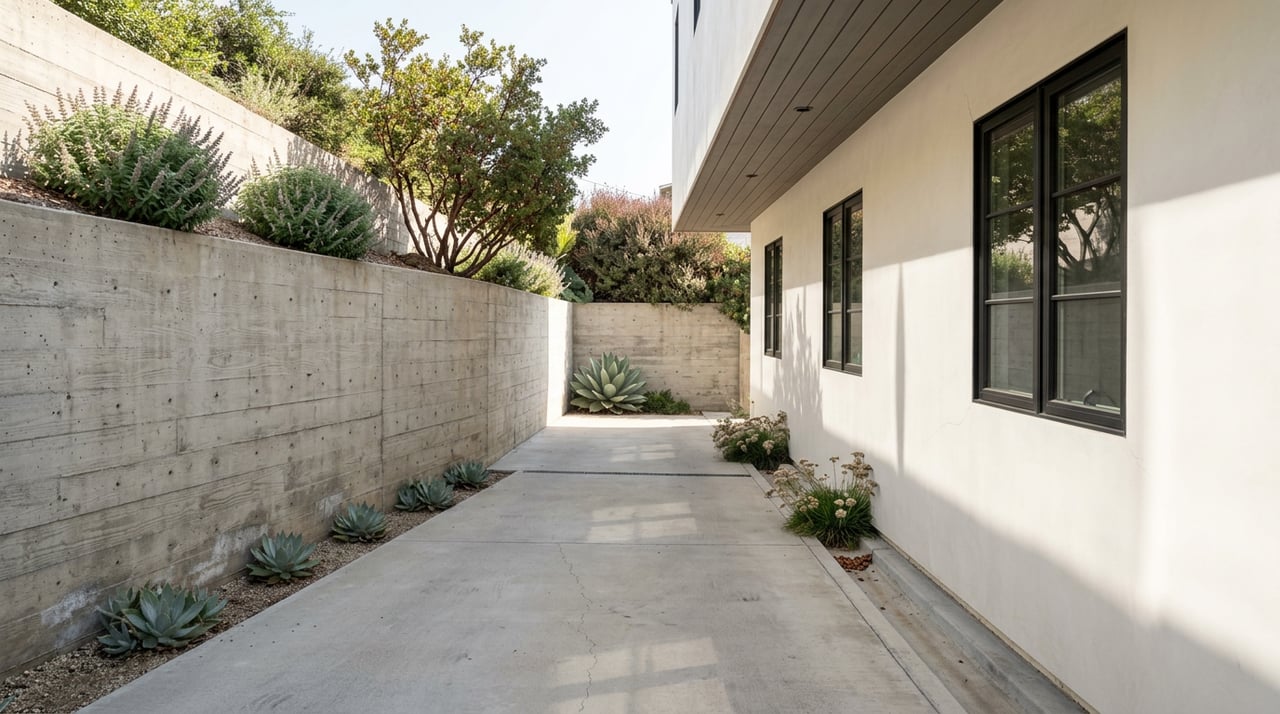
Hillside ownership usually means a different maintenance rhythm than flat-lot ownership. City hillside materials and local fire guidance point to practical issues such as drainage, retaining walls, vegetation management, access routes, and stair-heavy circulation.
None of that is necessarily a deal breaker. It just means the home asks a bit more from you over time. If you love the setting, the upkeep can feel worthwhile, but it is best to go in with a clear picture of what that responsibility looks like.
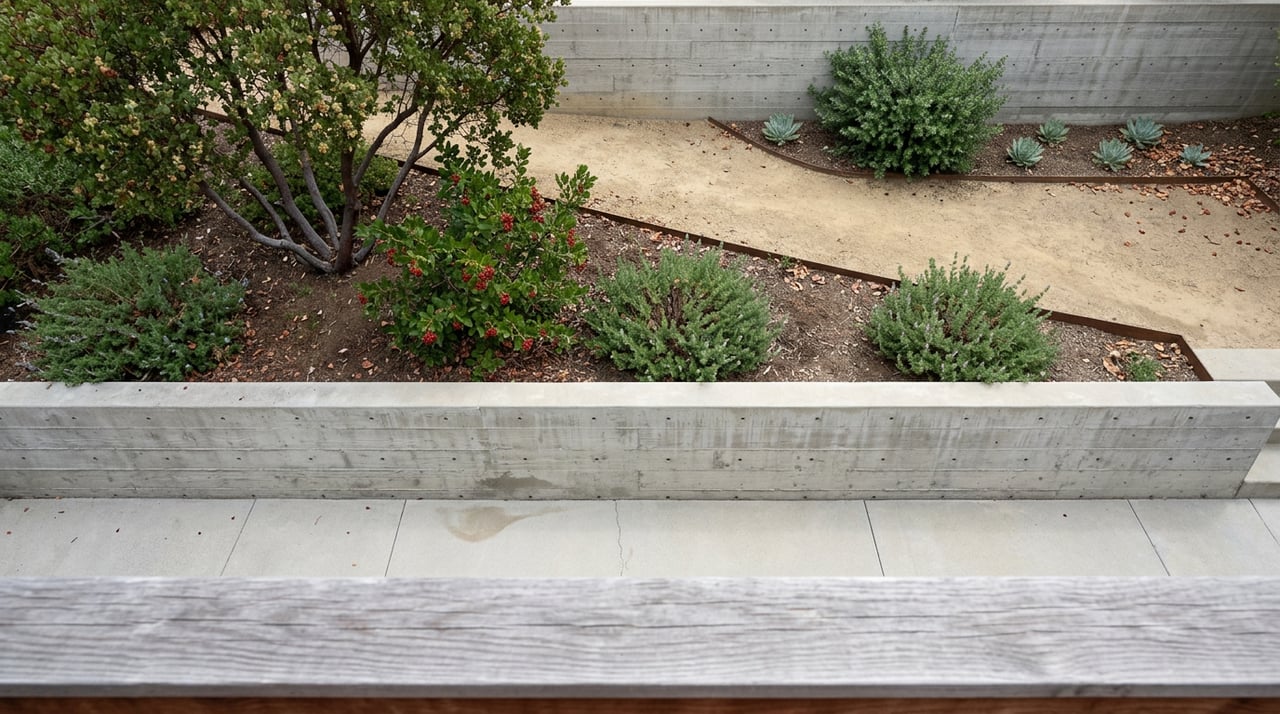
The Los Angeles Fire Department advises homeowners on brush-clearance safety and defensible-space practices, and Mount Washington was added to the brush-clearance inspection program in 1986. In practical terms, landscaping here is not only about curb appeal. It is also part of ongoing property care and risk management.
That is important to understand before you buy. A beautifully planted hillside lot may also require regular attention to stay aligned with local fire-safety expectations.
Mount Washington tends to work especially well for buyers who want views, architectural variety, privacy, and a neighborhood that feels distinct from standard tract development. If you value character, topography, and a more tucked-away residential setting, you may find a lot to love here.
It may be less comfortable if you want flat streets, easy walking, abundant street parking, or minimal maintenance. The same hillside qualities that create the neighborhood’s charm also shape its daily realities. In other words, Mount Washington is often about choosing a lifestyle, not just a house.
If you are trying to decide whether hillside living is the right fit, it helps to tour the neighborhood with both emotion and practicality in mind. Pay attention to stairs, access, parking, layout, and how close the home feels to the routines you care about most. The right match is usually the one where the tradeoffs feel intentional, not surprising.
If you want help evaluating Mount Washington homes with a clear, neighborhood-first strategy, reach out to Kenya Reeves-Costa. You will get practical guidance on how a property lives day to day, not just how it looks in photos.
Stay up to date on the latest real estate trends.


Experience the advantage of working with a collaborative team that prioritizes strategy, service, and exceptional outcomes.