Highland Park Micro-Neighborhoods Guide: A Closer Look at 90042
June 4, 2026
June 4, 2026
If you have ever wondered why one part of Highland Park feels café-close and lively while another feels quiet, porch-lined, and tucked away, you are not imagining it. In 90042, the neighborhood shifts block by block, and that can make your home search or selling strategy feel a lot more nuanced than a single neighborhood label suggests. This local overview will help you understand Highland Park’s main micro-neighborhood patterns so you can read the area with more confidence. Let’s dive in.
Highland Park developed along the Arroyo Seco and Figueroa Street, and the City of Los Angeles notes that long-standing identities like Garvanza, Hermon, and Mt. Angelus still shape how the area is experienced today. The Northeast Los Angeles Community Plan also points out that commercial activity is not evenly spread, which helps explain why one stretch can feel highly active while the next feels mostly residential.
That matters if you are buying, selling, relocating, or even narrowing your rental search. In Highland Park, the right fit often comes down to the street, the corridor, and the immediate surroundings rather than the ZIP code alone.
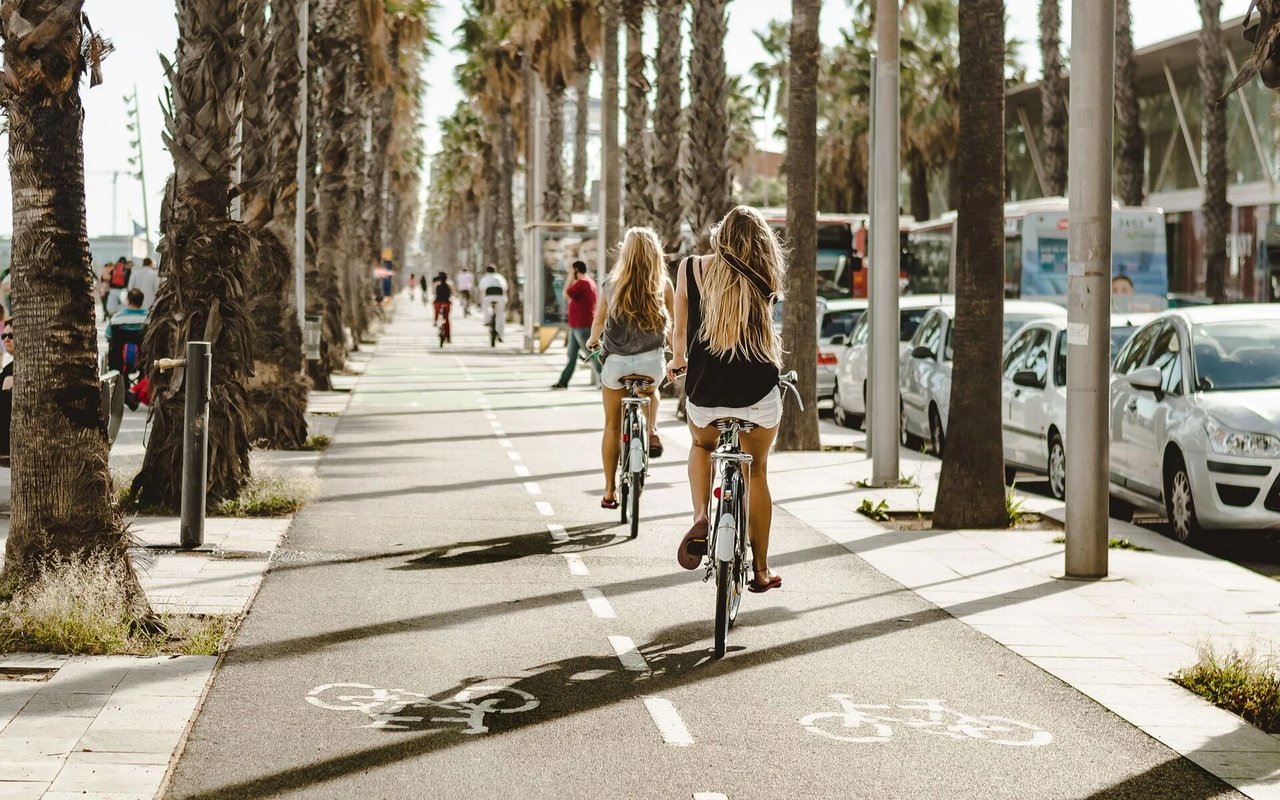
York Boulevard is often the easiest shorthand for Highland Park’s browsing culture. Visitor guides from Discover Los Angeles highlight walkable clusters of shops, dining, and nightlife along York, along with independent retailers, record stores, and vintage and design-focused storefronts.
For you, that usually means York-adjacent blocks can feel more storefront-driven and more active than the interior residential grid. If you want easy access to coffee, casual errands, and evening spots, this corridor tends to offer that kind of rhythm.
York tends to read more like a browse-and-stay street than a quick in-and-out commercial strip. There is enough retail and restaurant activity to support casual walking and neighborhood stop-ins.
At the same time, the community plan notes that York becomes less continuous west of Avenue 64. That helps explain why the shift from commercial activity to quieter housing can feel pretty sudden from one block to the next.
North Figueroa is Highland Park’s clearest mixed-use core. The Highland Park Business Improvement District describes it as the neighborhood’s first commercial corridor, with a mix of independent galleries, small businesses, entertainment spaces, artisan shops, cafés, and restaurants.
The BID management plan places this district along North Figueroa between Avenue 50 and York Boulevard. It also notes a mix of retail, industrial, manufacturing, and residential parcels, which gives the corridor a more visibly mixed-use character.
Compared with York, Figueroa often feels more convenience-oriented and transit-facing. Blocks near the station and commercial nodes tend to support quick stops, meals out, and day-to-evening activity.
If you are comparing the two corridors, York may feel more browse-focused while Figueroa may feel more like a central spine for movement, errands, and mixed daily use. That distinction can be helpful when you are thinking about lifestyle fit or how buyers may perceive a property’s location.
Garvanza gives Highland Park much of its older residential identity. Los Angeles City Planning states that the Highland Park-Garvanza HPOZ is the largest in the city, includes about 4,000 structures, and contains more than fifty Historic-Cultural Monuments.
The district was expanded to include Garvanza in 2010, and City Planning notes a wide architectural range that includes Queen Anne, Shingle, Craftsman, Mission Revival, and Tudor Revival styles. The area is especially known for its Arts and Crafts legacy.
If you are drawn to older homes, porch-forward streets, and a stronger preservation context, Garvanza is one of the key areas to understand. This part of Highland Park often reads as more residential and historic, especially once you move away from the main commercial corridors.
For buyers, that can mean a very different visual and street experience from one pocket to another. For sellers, it can also shape how your home is positioned, photographed, and described within the broader Highland Park market.
Some of Highland Park’s most classic residential feel shows up on the interior streets between and beyond the better-known corridors. Planning and preservation materials support the idea that these blocks often feel quieter, more tree-lined, and more defined by porches and older housing stock than by storefront frontage.
That is one reason Highland Park can surprise people who only know its commercial strips. You can be relatively close to York or Figueroa and still land on a block that feels noticeably calmer and more residential.
Highland Park’s housing mix is a big reason the neighborhood feels so layered. The Highland Park preservation plan describes Craftsman homes with features like shallow-pitched roofs, broad eaves, porches, exposed beams, grouped windows, and earth-tone finishes.
It also notes that these styles appear not only in single-family homes but also in duplexes, four-plexes, and apartment houses. Beyond Craftsman, the district includes Mission Revival, Spanish Colonial Revival, Tudor Revival, Queen Anne, Shingle, Minimal Traditional, and later mid-century-era styles.
For buyers, the same search area can include storefront-adjacent properties, bungalow-lined streets, apartment pockets, and later infill. Looking closely at the immediate block can tell you a lot about daily feel and how a home may live over time.
For sellers, micro-location matters when shaping pricing expectations and marketing strategy. A home near an active corridor may appeal for access and convenience, while a property on a quieter interior street may attract interest for its residential feel and architectural character.
Highland Park’s micro-neighborhoods are not only about housing and commercial corridors. Everyday anchors also shape how different pockets function.
On the Garvanza side, Garvanza Park offers a children’s play area, an unlighted baseball diamond, and a skate plaza through Los Angeles Recreation and Parks. The Arroyo Seco Regional Branch Library serves Highland Park from North Figueroa Street, and the Audubon Center at Debs Park offers access to hiking trails, a wildlife observation deck, picnic space, and free general admission.
These kinds of nearby amenities can influence how you experience a pocket day to day. They also add useful context when comparing one part of Highland Park with another.
If you are trying to make sense of the area quickly, this framework can help:
This kind of local breakdown can be especially useful if you are relocating within Los Angeles or trying to match your goals to the right part of 90042.
If you are buying in Highland Park, try to evaluate more than the headline neighborhood name. Pay attention to how close a home is to York or Figueroa, whether the block feels more residential or mixed-use, and what everyday amenities are nearby.
If you are selling, remember that buyers often respond to these small location differences right away. A strong strategy should reflect the block context, the home’s style, and the kind of lifestyle access your specific location supports.
That is where hyperlocal guidance can make a real difference. In a place like Highland Park, the details are not minor. They are often the story.
If you want help understanding how your block fits into the bigger Highland Park picture, Kenya Reeves-Costa can help you make sense of the market with neighborhood-first guidance tailored to your goals.
Stay up to date on the latest real estate trends.


Experience the advantage of working with a collaborative team that prioritizes strategy, service, and exceptional outcomes.